 English
 中文简体
中文简体 Español
What Makes a White Quilt a Timeless Bedding Choice?
In the world of interior design and comfortable living, few elements hold as much transformative power as a well-chosen bed covering. The White Quilt stands apart as a uniquely versatile and perennial favorite, capable of defining a room's aesthetic while providing practical comfort. But what exactly separates a quilt from other bedding, and how can you select, style, and care for a white one to ensure it remains a cherished centerpiece for years? This comprehensive guide delves into the construction, design philosophy, and maintenance science behind the white quilt. We will clarify its role compared to a duvet insert, explore the best fabrics and king-size stitching patterns, offer modern farmhouse styling ideas, and provide a definitive guide on washing to prevent the dreaded yellowing, empowering you to make an informed and satisfying choice.
Deconstructing the White Quilt: From Function to Art
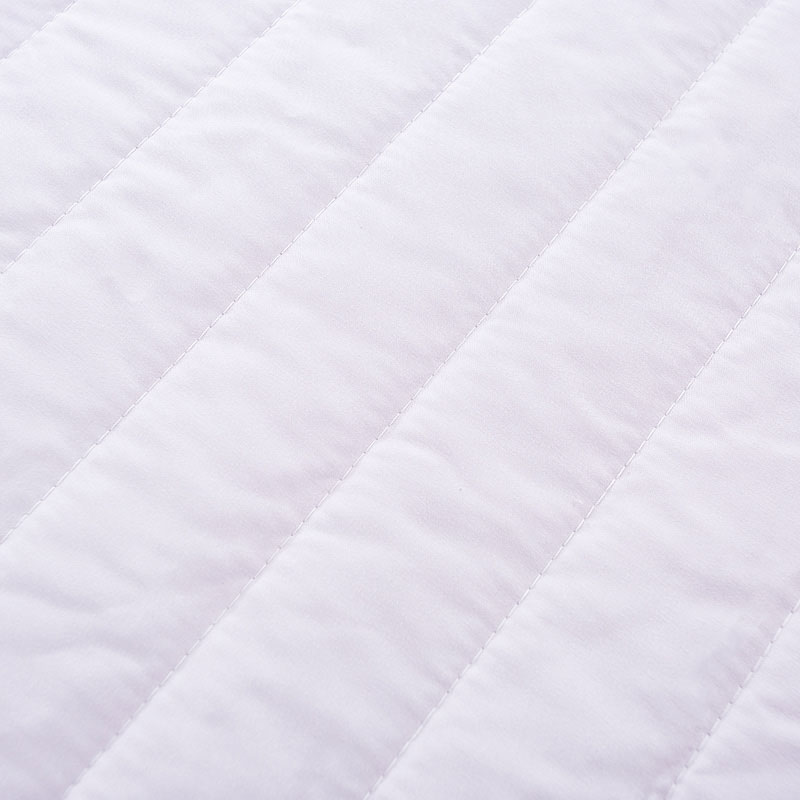
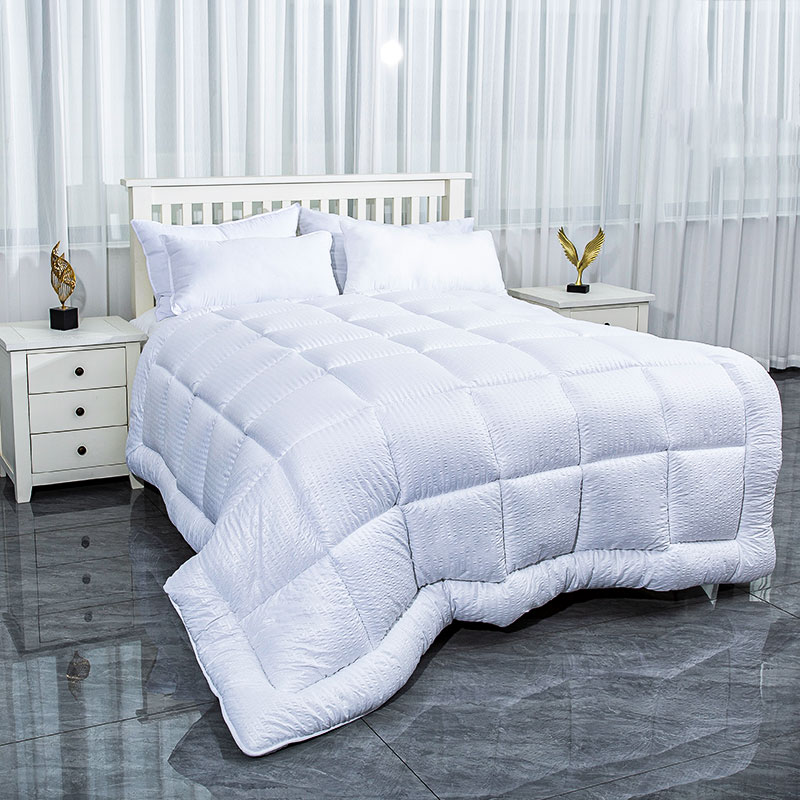
A quilt is fundamentally a sandwich of textiles, expertly joined together. Its traditional construction consists of three layers: a decorative top fabric, an insulating middle layer of batting (often cotton, wool, or down-alternative polyester), and a solid backing fabric. These layers are held together and given dimension through the process of quilting—the sewing of patterned stitches through all three layers. This stitching is not merely decorative; it prevents the batting from shifting and clumping, ensuring even warmth and longevity. The choice of white for this construct elevates it from simple bedding to a design tool. White inherently reflects light, making spaces feel larger, airier, and more serene. It acts as a perfect neutral canvas, effortlessly adapting to seasonal color changes and evolving decor styles, from minimalist Scandinavian to rustic charm. Understanding this foundation is key to appreciating its value and distinguishing it from other bedding forms, a common point of confusion for many.
- The Triple-Layer Structure: Top fabric (aesthetic), Batting (insulation), Backing (stability).
- Quilting Stitches: Functional seams that secure layers and add textural design.
- Psychological Impact of White: Promotes feelings of cleanliness, peace, and spaciousness.
- Design Flexibility: A white quilt can be the calming foundation for bold accents or the crisp finish to a tonal, textured scheme.
Quilt vs. Duvet Insert: A Clear Distinction
A primary source of confusion in bedding is the difference between a quilt and a duvet insert. They serve related but distinct purposes in bed-making. Clarifying the white quilt vs duvet insert difference is essential for making the right purchase for your needs.
| Feature | White Quilt | Duvet Insert |
| Primary Function | Bedspread / Top Layer; designed to be visible and decorative. | Insulating layer; designed to be inserted into a removable duvet cover. |
| Construction | Three layers quilted together; finished edges. | Typically a bag of filling (down, down-alternative) with internal baffles or channels. |
| Washing | The entire unit is washed as one (though careful methods are required). | Usually dry-clean or machine washable; the separate duvet cover is laundered frequently. |
| Styling | Stands alone; its texture, pattern, and color are key design features. | Hidden inside a cover; the cover's style dictates the look. |
| Seasonality | Often medium-weight, suitable for year-round or layered use. | Available in a wide range of warmth levels (tog ratings). |
Design, Fabric, and Styling Mastery
Selecting your perfect White Quilt involves a harmonious blend of tactile comfort and visual design. The fabric choice for the top layer is paramount, as it determines the quilt's hand-feel, durability, and overall aesthetic. This decision directly addresses the search for the best fabric for white quilt cover. Natural fibers like long-staple cotton or linen are top contenders for their breathability and timeless texture; cotton offers a soft, crisp feel, while linen provides a distinctive, relaxed slub that grows softer with each wash. For a white quilt king size, the scale of the stitching pattern becomes a major design element. Intricate, close-knit patterns like cobblestone or channel quilting offer a more tailored, formal look and excellent fill stability. In contrast, larger, wider-spaced patterns like a classic diamond or chevron can make the quilt appear loftier and contribute to a more casual, inviting feel. These elements come together in popular styles like the modern farmhouse, where a white quilt acts as the linchpin.
- Fabric Deep Dive:
- Premium Cotton: Durable, soft, breathable; look for high thread counts or percale/ sateen weaves for a luxurious feel.
- Linen: Highly breathable, moisture-wicking, and offers a rustic, elegant texture; naturally crinkled.
- Cotton-Linen Blend: A perfect compromise, offering the softness of cotton with the texture and breathability of linen.
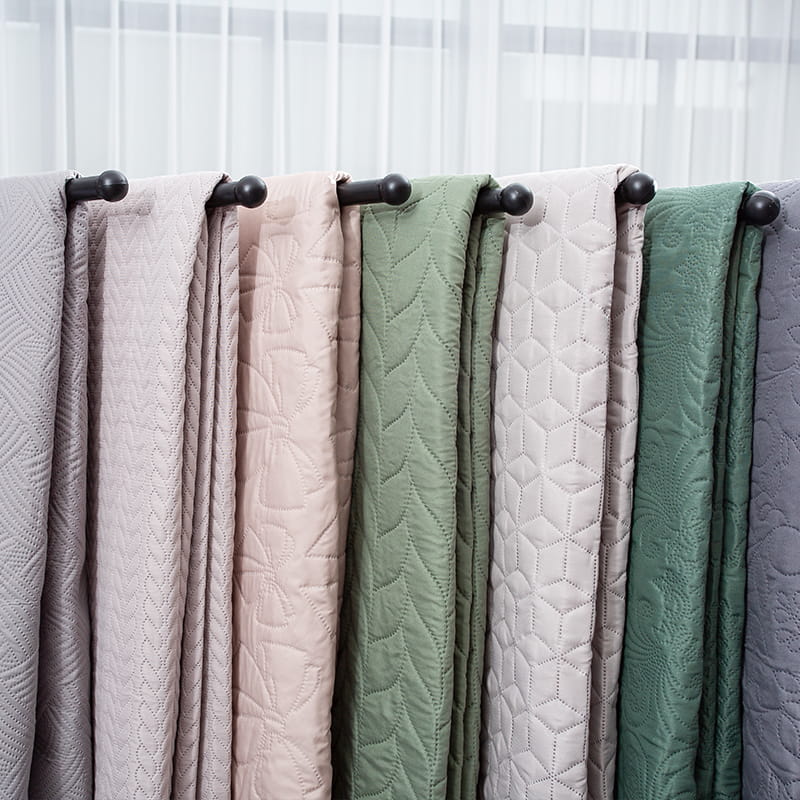
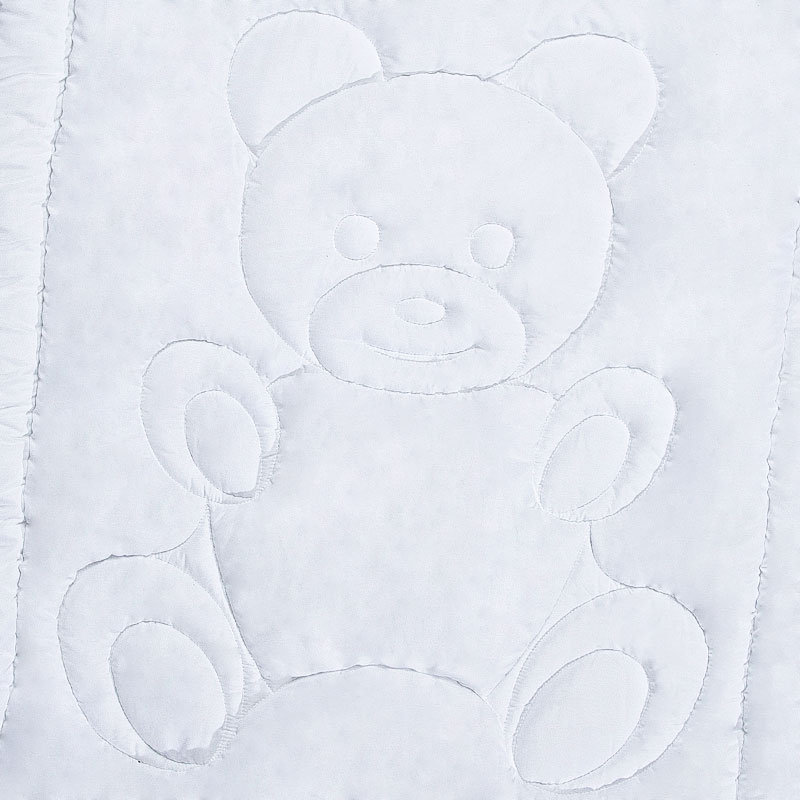
- Stitching Patterns: The design sewn through the layers. On a king-size quilt, large-scale patterns make a bold statement, while micro-stitching offers subtle texture.
- Modern Farmhouse Execution: For white quilt bedroom ideas modern farmhouse, pair a white quilt with substantial texture. Layer it over neutral sheets, add a chunky knit throw at the foot of the bed, and incorporate natural wood nightstands and woven baskets. The white quilt unifies these organic textures, creating a cozy yet clean aesthetic.
This attention to material and construction detail is what separates mass-produced items from quality heirlooms. Manufacturers with deep home textile expertise, like Tongxiang Feihaofei Home Textile Co., Ltd., understand that a quilt's longevity starts with its components. With over a decade of industry experience, such a focus on detail—from selecting the right yarn and weave for the fabric to precision stitching that ensures pattern alignment and fill security—is what transforms raw materials into a durable, beautiful White Quilt that can withstand both use and careful laundering.
The Ultimate Care Challenge: Cleaning and Maintenance
The most common apprehension about owning a white quilt is maintenance. However, with a scientific and proactive approach, keeping it brilliantly white is entirely achievable. The central question, how to wash a white quilt without yellowing, requires understanding the enemies of white textiles: body oils, sweat, improper detergents, and mineral buildup from hard water. Yellowing is often a result of cumulative residue rather than a single mistake. Prevention starts with using a top sheet as a barrier between your body and the quilt. When it's time to wash, always check the care label first. For most high-quality cotton or linen quilts, a gentle machine cycle in cold or warm water is suitable. The choice of detergent is critical; avoid those containing optical brighteners (which can leave a blue or gray cast over time) and heavy fragrances. Instead, opt for a clear, dye-free liquid detergent or one specifically formulated for whites.
- Pre-Wash Ritual: Treat any stains immediately with a paste of baking soda and water or a dedicated enzymatic stain remover. Avoid chlorine bleach on natural fibers as it can weaken them and cause yellowing.
- The Washing Process: Use a large-capacity machine to allow ample movement. Add half a cup of baking soda to the drum with your detergent to boost cleaning and soften water. An extra rinse cycle is advisable to ensure all soap residue is removed.
- Drying for Fluffiness: Tumble dry on low heat with dryer balls or clean tennis balls to break up clumps of batting and restore loft. Remove while slightly damp to air-dry completely, avoiding direct prolonged sunlight which can also degrade fibers.
- Storage: Store in a cool, dry place inside a breathable cotton bag—never in plastic, which can trap moisture and lead to mildew or discoloration.
FAQ
Can I use a white quilt as a duvet insert inside a cover?
Technically, you can, but it is not ideal and negates the quilt's primary design purpose. A quilt's stitching and texture are meant to be seen and felt. Placing it inside a smooth duvet cover will obscure its defining features and may cause it to shift and bunch uncomfortably. Furthermore, the added bulk of the quilt inside a cover can make the duvet cover difficult to close and may overheat. Quilts are designed as the top decorative layer, while duvet inserts are plain, utilitarian fillers meant to be concealed.
What is the best type of white quilt for hot sleepers?
For hot sleepers, the best fabric for white quilt cover is undoubtedly linen or a lightweight, gauzy cotton. Linen's natural fibers are exceptionally breathable and moisture-wicking, pulling sweat away from the body and allowing for maximum air circulation. Look for a quilt with a lower loft (thinner batting) or one that uses a breathable bamboo or Tencel™ batting. The stitching pattern also matters; a loosely quilted or open-knit pattern will provide more breathability than a densely stitched one.
How often should I actually wash my white quilt?
With consistent use of a top sheet, a white quilt does not need to be washed as frequently as sheets. Washing it 2-3 times per year is generally sufficient for maintenance, or seasonally as you rotate bedding. Over-washing can cause unnecessary wear and tear on the fibers and stitching. Spot cleaning spills immediately and airing it out on a clothesline on a breezy, non-humid day are excellent ways to keep it fresh between washes. Always follow the specific care instructions on the label.
My white quilt has yellowed in storage. Can it be saved?
Often, yes. Storage-induced yellowing is frequently due to cellulose breakdown or reactions with acids in the paper or wood of a storage box. First, wash the quilt following the careful method outlined for how to wash a white quilt without yellowing. For persistent yellowing, you can try a color-safe oxygen-based bleach (like sodium percarbonate) soak in warm water before washing. For antique or delicate quilts, consulting a professional textile conservator is the safest course of action.
Are there specific thread colors used in white quilt stitching that affect the look?
Absolutely. The thread color is a subtle but powerful design choice. Pure white thread on a white quilt creates a unified, tone-on-tone look where the texture of the stitching patterns is the star. Using a slightly off-white, cream, or light gray thread will make the quilting design more visibly pronounced, adding a layer of depth and contrast. For a truly traditional or heirloom look, some quilts even use a contrasting dark thread, though this is less common in modern, minimalist interpretations of the White Quilt.
 previous post