 English
 中文简体
中文简体 Español
What is a White Quilt?
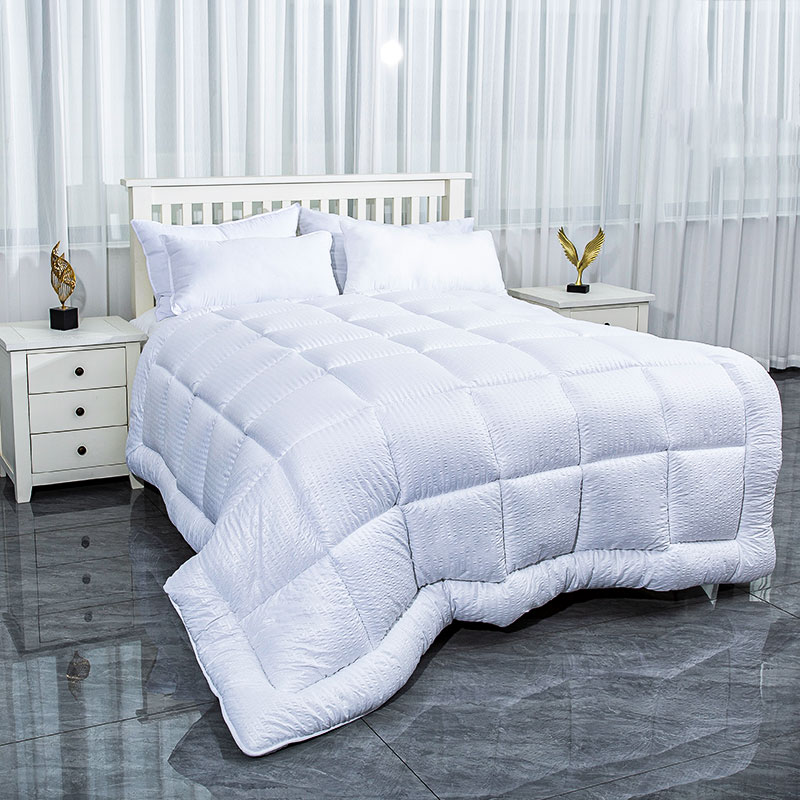
A white quilt is far more than a simple bedcovering; it is a foundational element of bedroom design and comfort. Serving as both a functional layer of warmth and a powerful aesthetic statement, a white quilt offers unparalleled versatility. Its crisp, clean color acts as a reflective canvas that brightens a room, creates a sense of serenity and space, and provides the perfect neutral backdrop for endless decorative possibilities. From luxurious hotels to minimalist homes, the white quilt is a timeless choice. However, selecting the right one involves understanding key differences in construction, fill, and design to match your specific needs, whether you're seeking a cozy winter weight heavy white quilt or a practical washable white quilt for guest room. This guide delves into the material science, design details, and practical considerations behind choosing your perfect white quilt.
The Enduring Appeal of a White Quilt: Aesthetics and Versatility
The power of a white quilt lies in its simplicity and adaptability. In color psychology and interior design, white is associated with purity, peace, and cleanliness. It naturally reflects light, making bedrooms feel more airy and spacious—a valuable trick for smaller rooms. Visually, a white quilt acts as a calm, unifying base that can seamlessly integrate into virtually any design scheme, from stark modern and Scandinavian minimalism to rustic farmhouse, coastal chic, or opulent traditional decor. It provides a "blank slate" that allows other elements in the room—such as colorful throw pillows, textured blankets, vibrant wall art, or rich wood furniture—to take center stage without creating visual chaos. This chameleon-like quality makes it a favorite for designers and homeowners who enjoy updating their space seasonally; simply change the accessories around the bed for a completely new look. Furthermore, its association with luxury hospitality underscores its ability to create a crisp, inviting, and professionally curated atmosphere in any home.
- Visual Amplifier: Reflects light to brighten rooms and create an illusion of more space.
- Design Neutrality: Serves as a harmonious base for any color palette or decorative style.
- Styling Flexibility: Enables easy, cost-effective room refreshes through changes in layers and accessories.
- Perceived Luxury: Evokes the clean, serene, and premium feel of high-end hotels and spas.
Navigating Construction and Fill: Warmth, Weight, and Comfort
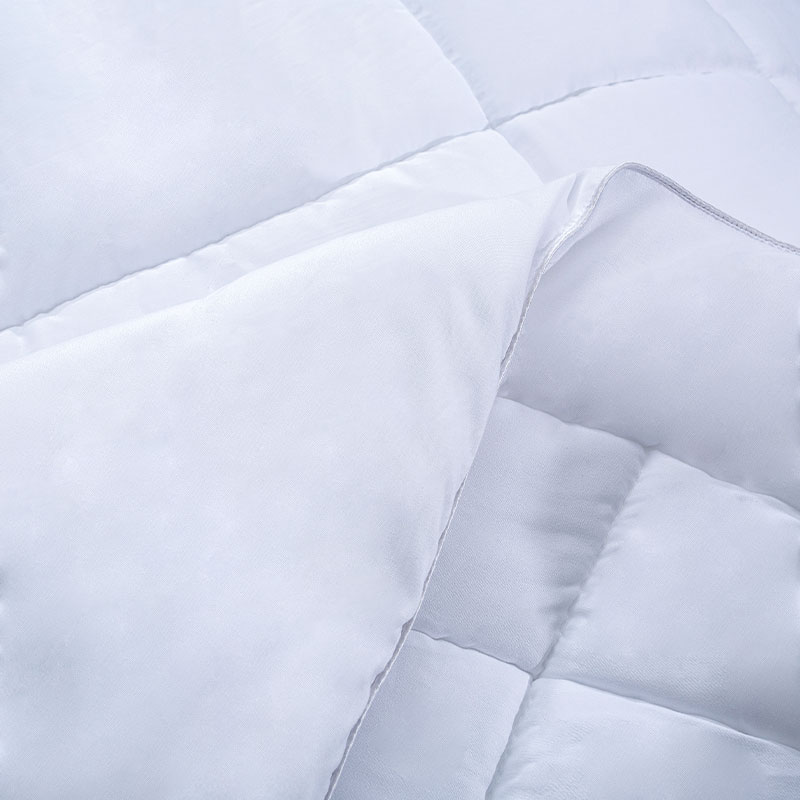
The internal construction of a quilt determines its warmth, weight, and overall feel, making it crucial to match the fill to your climate and personal preference. The most common fills are natural down (from ducks or geese), down alternative (synthetic fibers like polyester), wool, and cotton. Down is prized for its exceptional warmth-to-weight ratio and loft, providing lightweight, fluffy insulation. Down alternative quilts are often more affordable, hypoallergenic, and easier to care for. For those seeking natural and sustainable materials, an organic cotton white quilt king size offers breathable, medium-weight warmth with a consistent feel. The concept of weight is key: a winter weight heavy white quilt will have a high fill power (for down) or a high fill weight (for synthetics and cotton), creating a dense, insulating layer for cold climates. Conversely, the ideal all season white quilted bedspread is designed for versatility, often featuring a moderate fill that provides comfort across a wide range of temperatures, sometimes aided by a breathable cotton or linen shell that regulates body heat.
| Fill Type | Key Characteristics | Ideal For |
| Down (Goose/Duck) | Lightweight, extremely warm, high loft, breathable. Requires careful cleaning. | Cold sleepers in dry climates who prioritize luxury and warmth without weight. |
| Down Alternative (Polyester) | Hypoallergenic, often machine-washable, consistent warmth, less expensive. | Allergy sufferers, warm climates, easy-care needs, and budget-conscious buyers. |
| Organic Cotton | Breathable, medium-weight, sustainable, naturally temperature regulating. | Sleepers who prefer natural materials, mid-range climates, and ethical sourcing. |
| Wool | Naturally temperature-regulating, moisture-wicking, flame-resistant. | Those who sleep hot and cold, seeking natural fiber performance in all seasons. |
Design Details and Craftsmanship
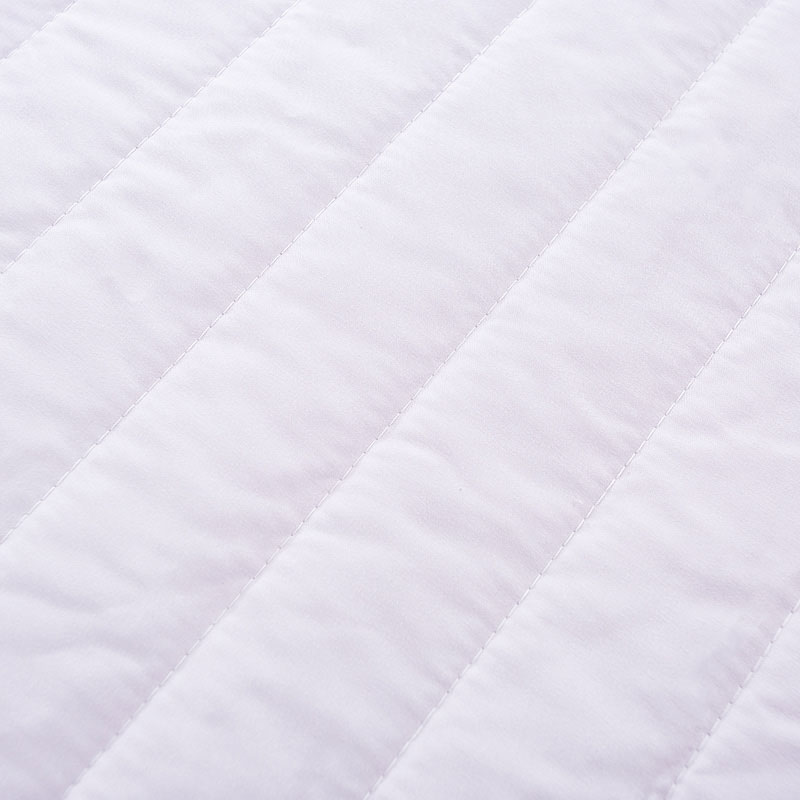
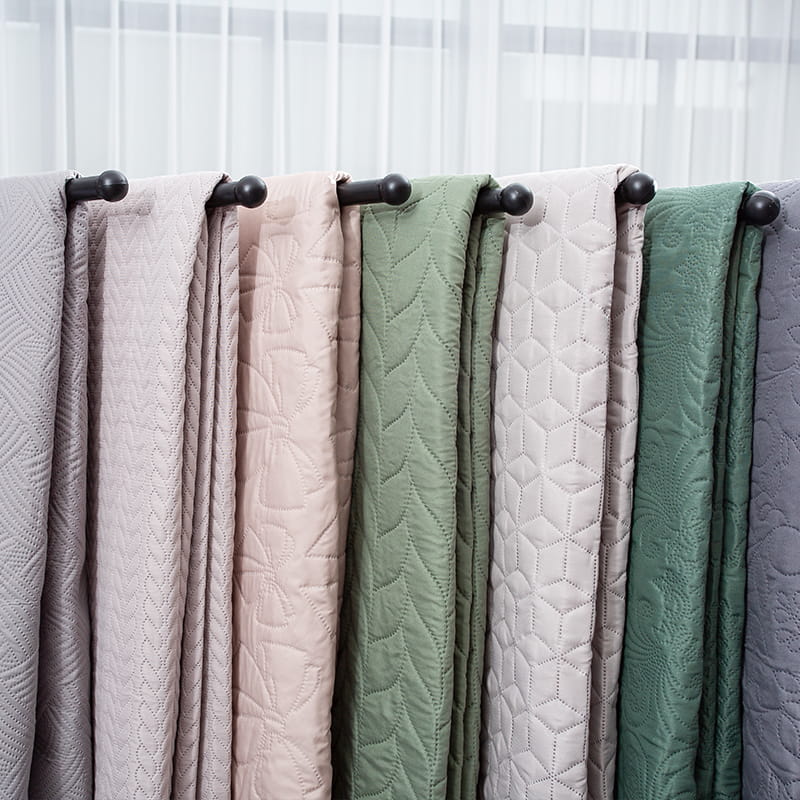
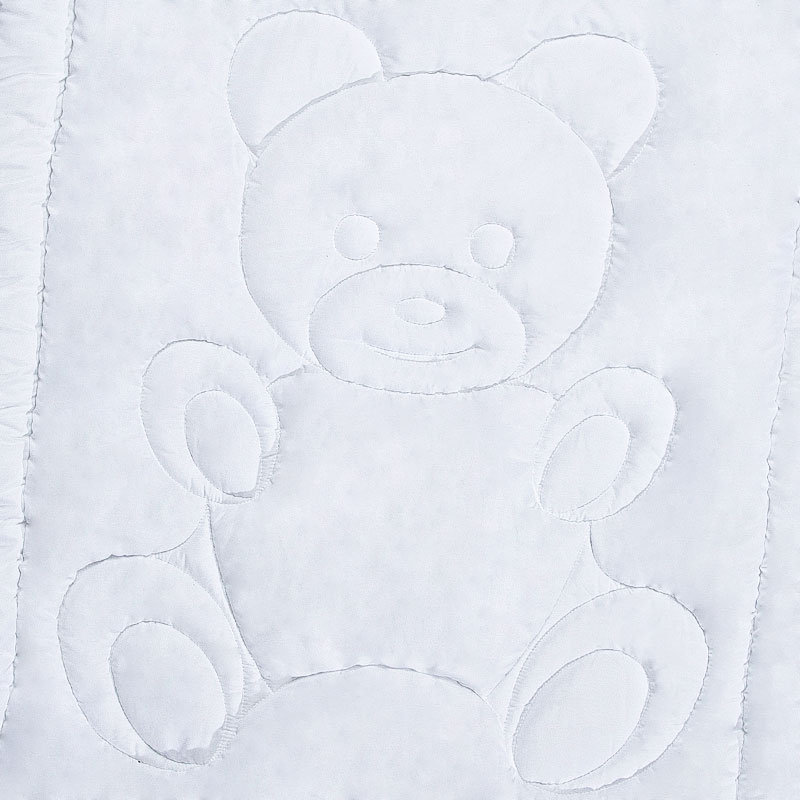
Beyond color and fill, the surface design of a quilt significantly impacts its look and durability. All quilts feature stitching that passes through the top fabric, fill, and backing—a process called quilting. This primary function is to secure the fill in place, preventing it from shifting or clumping. However, this stitching also presents a major decorative opportunity. A white quilt with decorative stitching uses this functional necessity to create intricate patterns that add texture, dimension, and visual interest to the otherwise solid canvas. Common patterns include classic diamond or channel quilting, elegant scallops, and modern geometric designs. The stitching itself can be done in white for a subtle, textured effect or in a contrasting thread color for a more pronounced, tailored look. The fabric of the quilt shell also matters; high-thread-count cotton sateen offers a silky, lustrous finish, while crisp percale cotton provides a cool, matte feel, and linen delivers a beautifully relaxed, textured drape.
- Quilting Function: Essential for stabilizing the fill and maintaining even distribution and loft over time.
- Decorative Stitching: Transforms the quilt into a textural art piece, with patterns ranging from traditional to contemporary.
- Shell Fabric: Determines hand-feel and aesthetic; choices range from smooth sateen and crisp percale to textured linen.
- Construction Quality: Look for tight, even stitches and well-finished edges (like piped borders) as indicators of durability.
Practical Considerations for Ownership and Care
The practicality of a white quilt is a major factor in its long-term satisfaction. For spaces like a guest room, where use is occasional but cleanliness is paramount, a washable white quilt for guest room is an intelligent choice. This often points to quilts with synthetic down-alternative fills and durable cotton shells that can withstand regular machine washing and drying without damage. For all white quilts, proper care is essential to maintain their bright appearance. Using a duvet cover is the single best protective measure, shielding the quilt from body oils, sweat, and stains, and allowing for more frequent, easier washing of just the cover. When washing the quilt itself, use a gentle, bleach-free detergent (optical brighteners can actually cause yellowing over time) and cool or warm water. Tumble dry on low with dryer balls or clean tennis balls to help break up clumps and restore fluffiness. Avoid excessive heat, which can damage fibers and cause shrinkage.
| Consideration | Challenge with White | Proactive Solution |
| Stain Prevention | Visible spots from spills, makeup, or body oils. | Always use a duvet cover as a primary protective layer. |
| Maintaining Brightness | Gradual yellowing or graying over time. | Wash with bleach-free detergents designed for whites; avoid excessive sunlight while drying. |
| Ease of Cleaning | Bulky size can be difficult to launder at home. | Select machine-washable fills (synthetic, cotton) and verify the quilt's care label before purchase. |
| Durability & Longevity | Pilling, seam failure, or fill degradation. | Invest in quality construction with high-grade materials and reinforced stitching. |
Selecting the Perfect White Quilt: A Buyer's Checklist
Choosing the ideal white quilt is a personalized decision. Start by assessing your primary need: is it for deep winter warmth, year-round versatility, guest room practicality, or as a decorative centerpiece? Measure your bed to ensure a proper fit, allowing for a drop on the sides and foot. Feel the fabric and examine the stitching in person if possible, or read detailed descriptions and reviews online. Consider your household—allergy sufferers may benefit from hypoallergenic fills, while pet owners might prioritize durable, washable fabrics. Ultimately, the perfect quilt is one that balances your aesthetic desires with practical needs for comfort, care, and climate.
- Define Your Primary Use: Is it for winter, summer, guests, or daily use as an all season white quilted bedspread?
- Assess Climate and Personal Sleep Temperature: Do you sleep hot or cold? This dictates fill weight and material breathability.
- Prioritize Care Requirements: Be honest about your willingness to dry clean or ability to machine wash a large item.
- Set a Realistic Budget: Quality materials and construction cost more but offer better comfort, durability, and longevity.
- Check Dimensions & Drop Length: Ensure the quilt is large enough to cover your mattress and hang over the sides aesthetically.
FAQ
1. Is a white quilt practical, or will it get dirty too easily?
A white quilt is highly practical when managed correctly. The key is proactive protection. Using a duvet cover is non-negotiable; it acts as a washable shield against daily wear, stains, and oils. For a washable white quilt for guest room use, this is especially effective. Most spills and stains occur on the cover, which is simple to remove and launder. The quilt itself only needs occasional washing. With this system, a white quilt can stay looking fresh and clean for years, making its maintenance no more demanding than that of a colored quilt.
2. What makes a quilt an "all-season" quilt?
An all season white quilted bedspread is engineered for comfort across a broad temperature range, typically from cool summer nights to moderately cold winter evenings. This is achieved through a medium fill weight—not as heavy as a dedicated winter quilt but with more substance than a summer coverlet. It often uses breathable natural fills like down or wool, which adapt to your body temperature, or a lightweight synthetic alternative. The shell fabric, like cotton or linen, also promotes airflow, preventing overheating.
3. Are organic cotton quilts warm enough for winter?
An organic cotton white quilt king size can provide substantial warmth, but it behaves differently than a down quilt. Cotton is a denser fiber, so it offers weight and consistent, breathable insulation rather than lofty, air-trapping warmth. For a true winter experience, you would specifically look for a winter weight heavy white quilt that may use a high fill weight of cotton or be layered over other bedding. A cotton quilt is excellent for moderate climates or as a comfortable layer in a cooler room, prized for its natural feel and sustainability over extreme lightweight warmth.
4. Does decorative stitching serve any purpose besides looking nice?
Yes, absolutely. While a white quilt with decorative stitching is chosen for its aesthetic appeal, the stitching's primary function is structural. It creates compartments that lock the fill in place, preventing it from shifting to the edges or bottom of the quilt over time, which would create cold spots and an uneven appearance. The density and pattern of the stitching also affect the quilt's drape and feel. Therefore, decorative stitching is a perfect example of form and function working in harmony.
5. Can I put a white quilt in the washing machine?
This depends entirely on the quilt's specific care instructions. Many modern quilts, especially those with synthetic fills or certain cotton constructions, are labeled as machine washable. This is a common feature for a washable white quilt for guest room convenience. However, quilts with delicate down fills, wool, or certain constructions may require professional dry cleaning. Always check the manufacturer's care label before washing. For machine-washable quilts, use a large, front-loading machine (or a large top-loader without a center agitator), a gentle cycle, cool water, and mild detergent to ensure longevity.
 previous post