 English
 中文简体
中文简体 Español
What Defines a High-Value Wholesale Quilted Quilt for Your Business?
Beyond Bulk Pricing: The Strategic Sourcing of Quilted Quilts
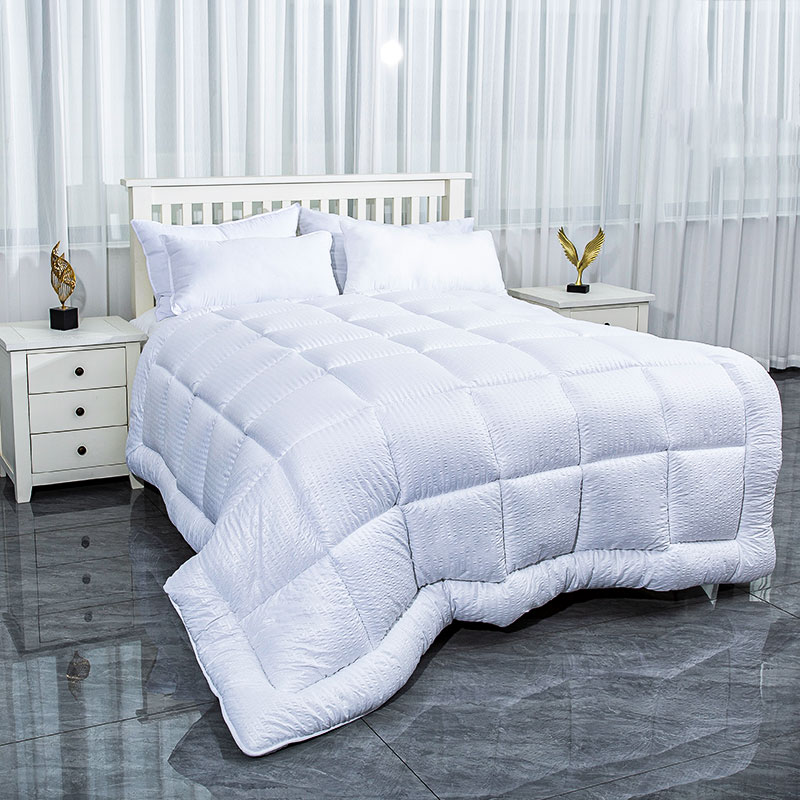
For retailers, hospitality buyers, and corporate purchasers, procuring Wholesale Quilted Quilts is a strategic decision that impacts far more than inventory cost. These products are central to customer satisfaction, brand perception, and operational efficiency in sectors ranging from boutique hotels to healthcare. A true business-grade quilt balances four critical pillars: Cost (achieving margin targets), Compliance (meeting safety and industry standards), Quality (ensuring durability and performance), and Market Fit (aligning with end-consumer desires). This guide moves beyond simple price comparison to provide a comprehensive framework for evaluating construction, matching products to specific commercial channels, and building supplier partnerships that deliver long-term value and reliability for your business.
Deconstructing the Product: Anatomy of a Commercial-Grade Quilt
Understanding the technical components of a quilt is essential for making informed purchasing decisions and communicating effectively with manufacturers. The value and performance are determined by the synergy of its three core layers.
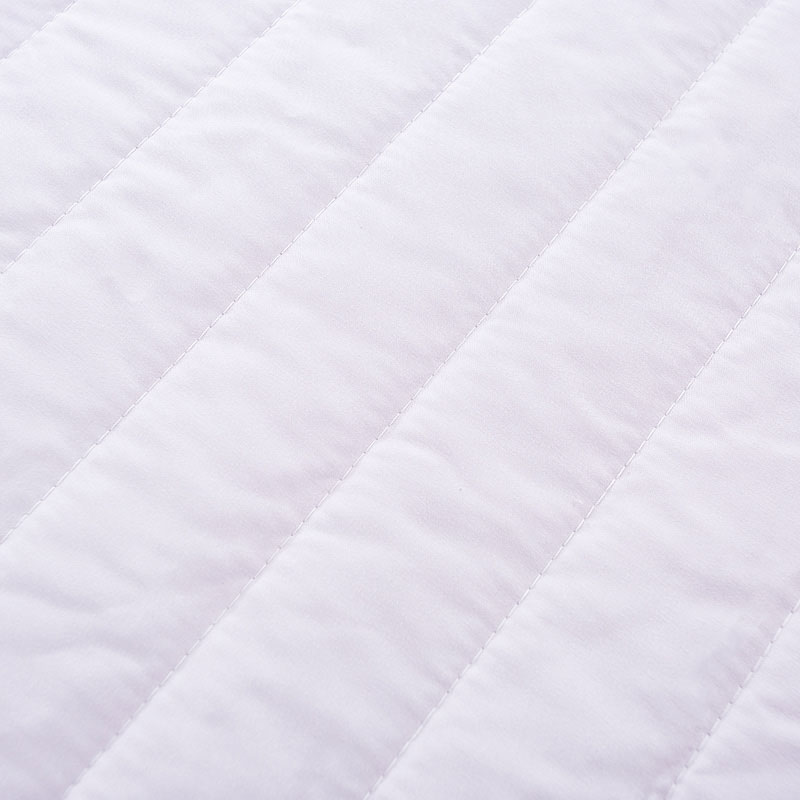
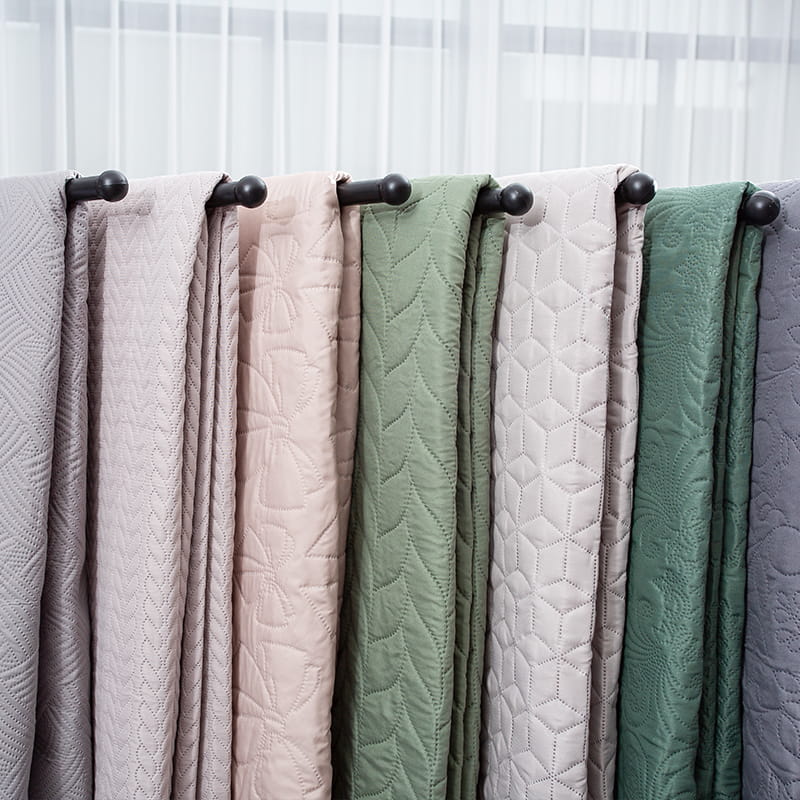
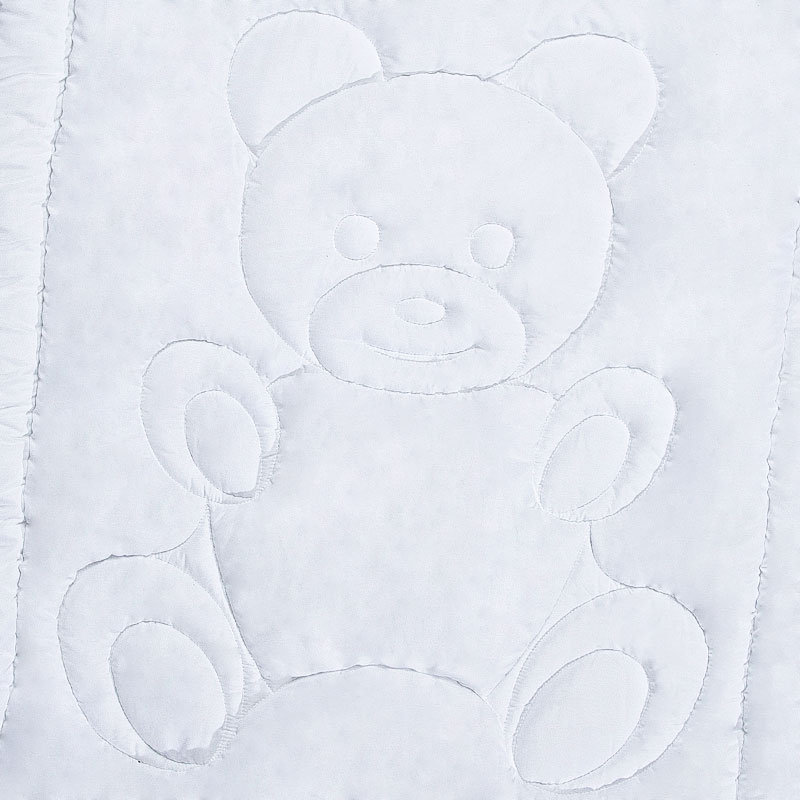
The filling is the heart of the quilt, dictating warmth, weight, and loft. Common commercial fillings include polyester hollow fiber (varying deniers for softness or support), siliconeized polyester for enhanced durability, and down alternatives. The weight of the filling, measured in grams per square meter (GSM), directly correlates to warmth. The fabric shell, typically a cotton-polyester blend for durability and ease of care, is defined by its thread count and finish. A higher thread count often indicates a softer, denser fabric, but the quality of the yarns is equally important. The quilting—the stitched pattern that holds the three layers together—is not merely decorative. The stitch density (stitches per inch) and pattern (diamond, channel, etc.) prevent filler migration, ensure even warmth distribution, and contribute to the product's lifespan.
- Key Insight: For commercial use, the seam construction is a critical durability marker. Look for tightly sewn, reinforced seams (like piped or double-stitched seams) that can withstand the repeated stress of industrial laundering, which is a defining requirement for true hotel quality linens.
Market-Focused Procurement: Selecting for Your Commercial Channel
A one-size-fits-all approach fails in wholesale. Success depends on selecting a quilt engineered for the specific demands of your target market and end-use.
1. Hospitality & Lodging: Sourcing for Durability and Consistency
Procuring hotel quality wholesale quilted quilts for bed and breakfast establishments and larger hotels requires a focus on institutional durability. These quilts must endure hundreds of industrial wash cycles without significant fading, shrinkage, or filling breakdown. Key specifications include a robust, high-thread-count fabric (often a 50/50 cotton-poly blend treated for stain resistance), a dense quilting pattern to lock the fill, and colorfast dyes. The quilt should have a consistent, tailored drape and be available in a range of standard sizes with matching accessory sets. For B&Bs, the aesthetic appeal—often a classic, reversible design—is also crucial for creating a photogenic guest experience.
2. Corporate Branding & Gifting: Creating a Premium Branded Experience
Custom logo quilted bedspreads wholesale for corporate gifts offer a unique opportunity for high-impact branding. This transforms a functional item into a tangible brand ambassador. The success of such a program hinges on the perceived quality of the quilt itself. Buyers should select a base product with a premium hand feel and aesthetic before adding branding. Embroidery offers a luxurious, durable finish for logos but has higher minimums. High-quality digital printing allows for full-color, complex designs on smaller runs. The packaging and unboxing experience are integral parts of the gifting strategy and should be discussed with the supplier.
3. Seasonal Retail & Volume Stock: Capturing the Summer Market
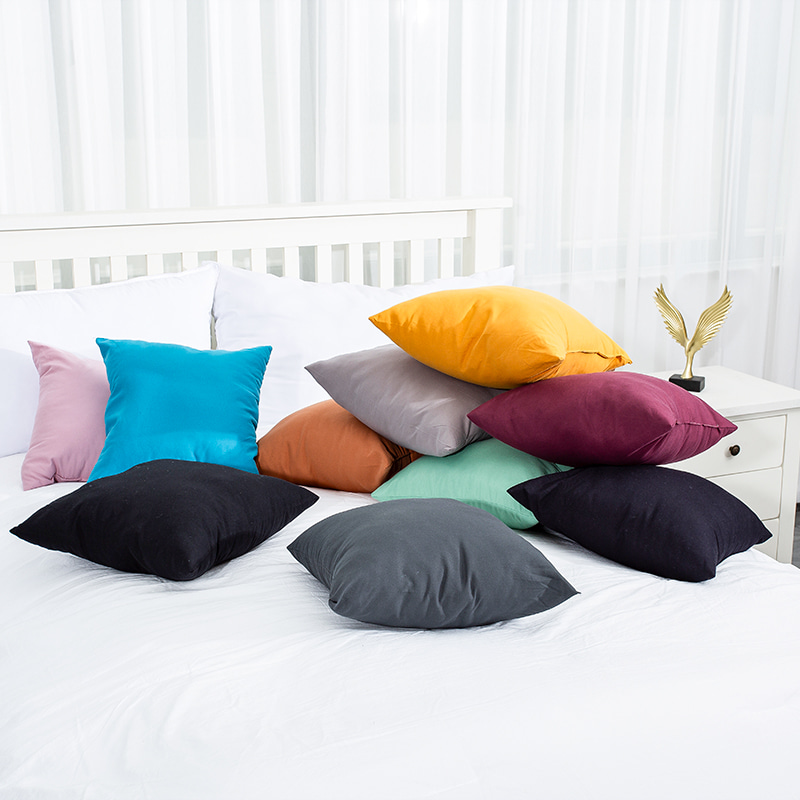
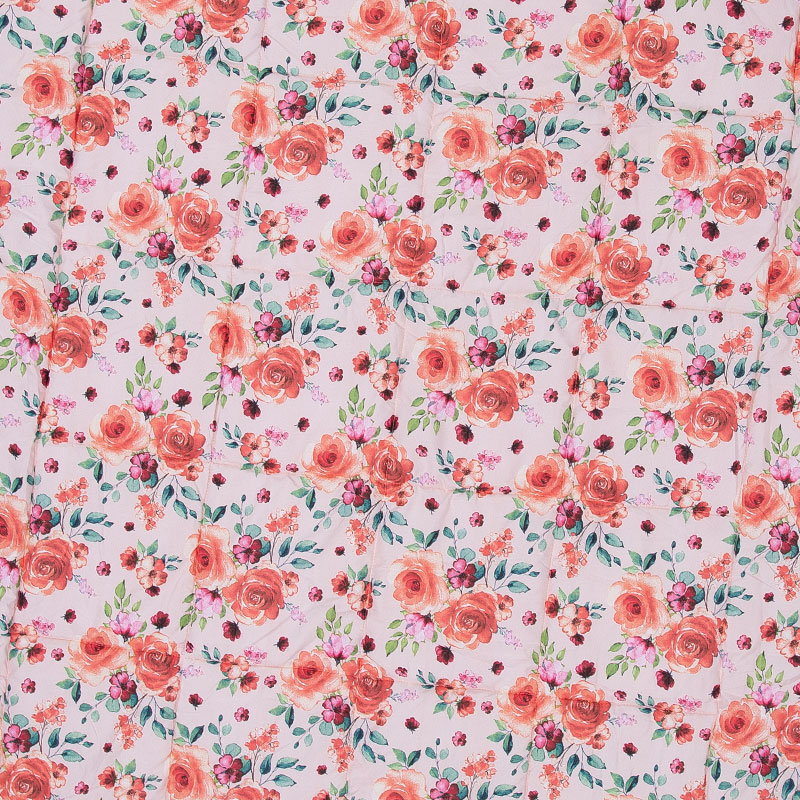
For retailers and e-commerce sellers, capitalizing on seasonal trends is key. Sourcing lightweight summer quilted coverlets wholesale bulk lots requires a focus on breathability and style. These quilts feature a lower GSM filling (often a lightweight, siliconized fiber) and a shell fabric with natural fibers like cotton or linen blends for coolness. Designs tend toward lighter colors, pastels, and fresh prints. When ordering in bulk, consider the packaging (compressed vs. boxed), the lead time for reorders, and the supplier's ability to provide cohesive collections that include shams or decorative pillows to drive average order value.
4. Boutique & Home Decor: Curating for Design and Uniqueness
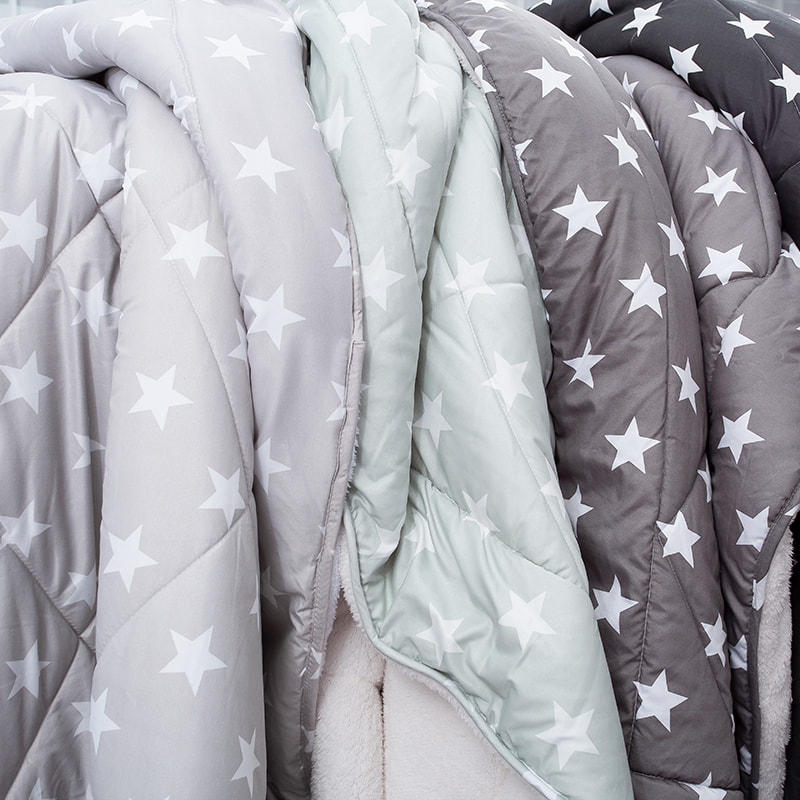
Buyers for boutique home decor stores seek products that tell a story and offer visual distinction. A reversible quilted quilt wholesale is a prime example, effectively offering two looks in one product, which is highly valuable for display and customer appeal. These buyers prioritize unique design elements: hand-guided quilting patterns, natural or specialty fibers (like organic cotton, linen, or bamboo), and artisanal details. The relationship with the supplier often involves collaboration on exclusive designs or small-batch production runs, moving beyond transactional purchasing to a partnership model.
| Commercial Channel | Hospitality (Hotel/B&B) | Corporate Gifting | Seasonal Retail | Boutique Home Decor |
| Primary Driver | Durability, Launderability, Consistency | Brand Perception, Premium Quality, Customization | Trend Alignment, Cost-Efficiency, Volume | Design Uniqueness, Material Story, Aesthetic Appeal |
| Critical Product Feature | Industrial Wash Tests, Reinforced Seams | High-End Fabric, Superior Logo Application | Lightweight Fill, On-Trend Colors/Prints | Reversible Design, Artisanal Details, Natural Fibers |
| Supplier Evaluation Focus | Compliance Certifications, Consistency in Large Runs | Design & Sampling Support, MOQ Flexibility | Reliable Bulk Supply, Fast Reorder Turnaround | Design Collaboration, Small-Batch Capability |
5. Institutional & Healthcare Procurement: Meeting Rigorous Standards
Sourcing for healthcare facilities introduces non-negotiable requirements for safety and hygiene. Hypoallergenic quilted comforters wholesale for this market must be constructed with barrier fabrics and fillings that resist dust mites, mold, and bacteria. They often require certifications like OEKO-TEX Standard 100, which verifies the absence of harmful substances, and may need inherent or treated flame resistance (meeting standards like TB 117). The fabric must withstand frequent, high-temperature washing with industrial disinfectants without degrading. Suppliers must provide full documentation and material safety data sheets (MSDS) to support their claims.
Supplier Evaluation and Strategic Negotiation
Identifying the right manufacturing partner is as important as specifying the right product. A thorough evaluation should extend beyond initial price quotes. Assess the factory's quality control processes—do they have in-line inspections and a final audit procedure? Request references from clients in your specific sector (e.g., other hotel chains or retailers). Evaluate their design and sampling capability; can they help develop a product tailored to your needs? Discuss their supply chain resilience and ability to provide transparent communication throughout production. Key negotiation points include minimum order quantities (MOQs), payment terms (deposit and balance), shipping Incoterms, and clearly defined protocols for handling quality discrepancies.
- Pro Tip: Always request physical samples of both the product and the key materials (shell fabric, filling) before placing a large order. Test the sample yourself—wash it repeatedly, inspect the seams, and assess the hand feel. This due diligence prevents costly mistakes and ensures the bulk shipment meets your expectations.
FAQ
What is a typical minimum order quantity (MOQ) for wholesale quilted quilts?
MOQs vary significantly based on customization and supplier scale. For standard, stock designs, MOQs can range from 50 to 500 pieces per style/color. For custom logo quilted bedspreads, the MOQ is heavily influenced by the decoration method; embroidery may start at 100-200 pieces, while printing could be lower. For fully custom designs involving exclusive fabrics and patterns, MOQs often start at 500-1000 units. Always clarify if the MOQ is per style, per color, or a total container quantity.
How can I verify the quality claims of a wholesale supplier, especially for "hotel quality"?
Verification requires a multi-step approach. First, request and review test reports for key durability metrics: pilling resistance (ASTM D4970), colorfastness to washing and light (AATCC standards), and fabric tensile strength. For true hotel quality, ask for documentation of an industrial wash test (e.g., 50+ cycles) showing minimal shrinkage and color change. Second, conduct a rigorous sample evaluation, subjecting it to several home wash cycles. Finally, if the order volume justifies it, consider a third-party pre-shipment inspection at the factory to check a random sample from the production batch.
What are the main cost drivers when pricing a wholesale quilted quilt?
The final cost is built from several components: Material Costs: The type and GSM of the filling, and the quality/thread count of the shell fabric are the largest factors. Construction Complexity: Intricate quilting patterns (e.g., detailed floral motifs) cost more than simple diamond grids due to slower production. Labor & Overhead: Varies by manufacturing region. Customization: Adding a custom logo incurs setup and per-unit application fees. Order Volume & Logistics: Higher quantities reduce per-unit cost. Shipping terms (FOB vs. DDP) and destination affect landed cost.
What should I look for in a quilt to ensure it is genuinely hypoallergenic for healthcare settings?
For healthcare facilities, look for specific, verifiable features. The filling should be a continuous filament, siliconeized polyester or a similar material that does not foster dust mite habitation. The shell fabric should have a tight weave. Crucially, the product should carry relevant certifications from independent labs, such as OEKO-TEX Standard 100 (Class I for products for infants is the strictest) or certifications from allergy/asma foundations. The supplier must be able to provide test reports proving antimicrobial or anti-dust mite properties if claimed. Avoid quilts with natural down or feather fill, which can trigger allergies.
What is the lead time I should expect for a customized wholesale order?
Lead time is a critical path in procurement planning. For a new, customized order (including fabric sourcing, sample approval, and production), a realistic timeline is 60 to 90 days after final sample sign-off. This can extend if materials are not in stock or during peak holiday production seasons. For repeat orders of an existing item, lead time may be 30-45 days. Always confirm each phase (sampling, production, shipping) with your supplier and build buffer time into your inventory planning to account for potential delays.
 previous post